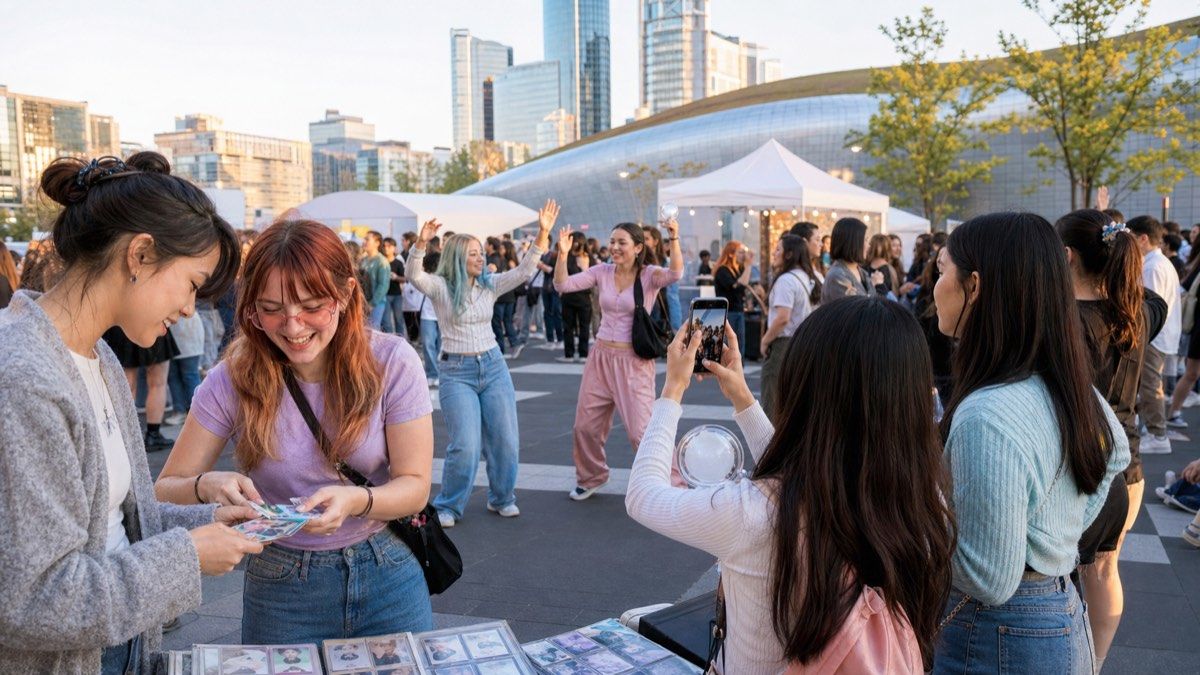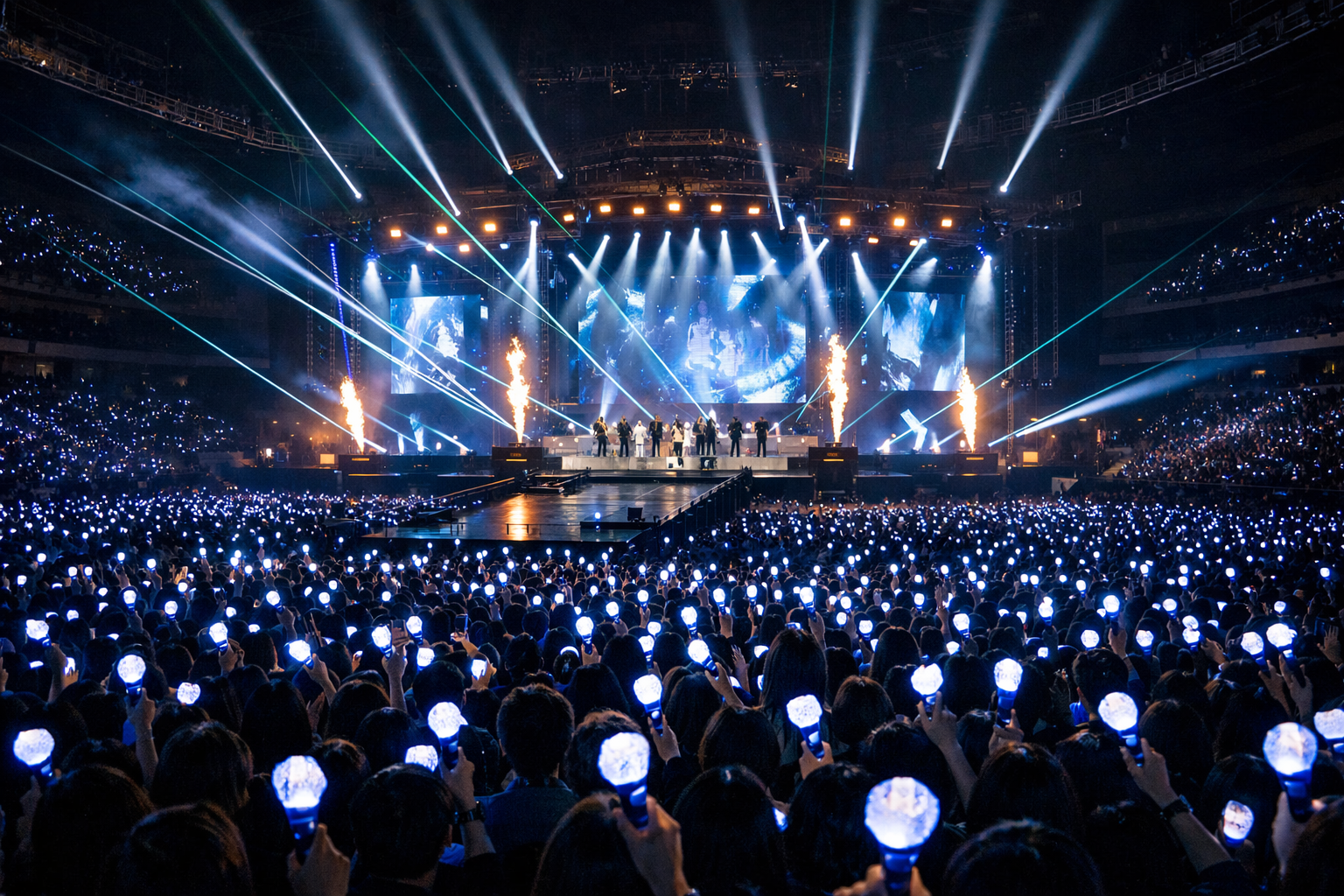
K-Pop has evolved into a global commercial ecosystem powered by fandom behaviour, agency-controlled talent, and multi-market activation.
K-Pop is no longer a music genre. It is a commercial infrastructure. In 2026, over 260 million people worldwide actively engage with Korean entertainment — and 70 percent of Asian Gen-Z discover brands through culture, creators and entertainment ecosystems rather than traditional advertising. For global brands targeting ASEAN, APAC and GCC markets, K-Pop brand partnerships are no longer optional. They are the most efficient path to Gen-Z brand equity.
This guide explains exactly how K-Pop brand partnerships work, what brands should expect, which agencies control the ecosystem, and how WENOTIFT architects culture-led commercial systems that convert audience passion into measurable business growth.
What is a K-Pop Brand Partnership?
A K-Pop brand partnership is a structured commercial relationship between a global brand and a Korean entertainment artist, group or IP owner — designed to build emotional relevance, drive measurable sales uplift and create sustained brand equity across target markets.
K-Pop brand partnerships take four primary forms:
1. Brand Ambassadorship
A long-term partnership where an artist represents a brand across multiple touchpoints including advertising campaigns, social media content, product launches and live events. Examples include Coca-Cola partnering with NewJeans and Visa integrating with the BLACKPINK World Tour 2025.
2. IP Licensing
A brand licenses the rights to use an artist's name, image, likeness or creative IP across products, packaging and campaigns. BTS IP licensing has generated billions in commercial value across global consumer brands.
3. Concert and Tour Sponsorship
A brand sponsors a K-Pop concert, world tour or fan meeting, gaining physical and digital presence across all tour markets. WENOTIFT architected Visa's brand integration across the BLACKPINK World Tour 2025, spanning 8 APAC markets.
4. Co-branded Products
A brand collaborates directly with an artist to create limited edition products, packaging or merchandise that drives both cultural relevance and commercial volume.
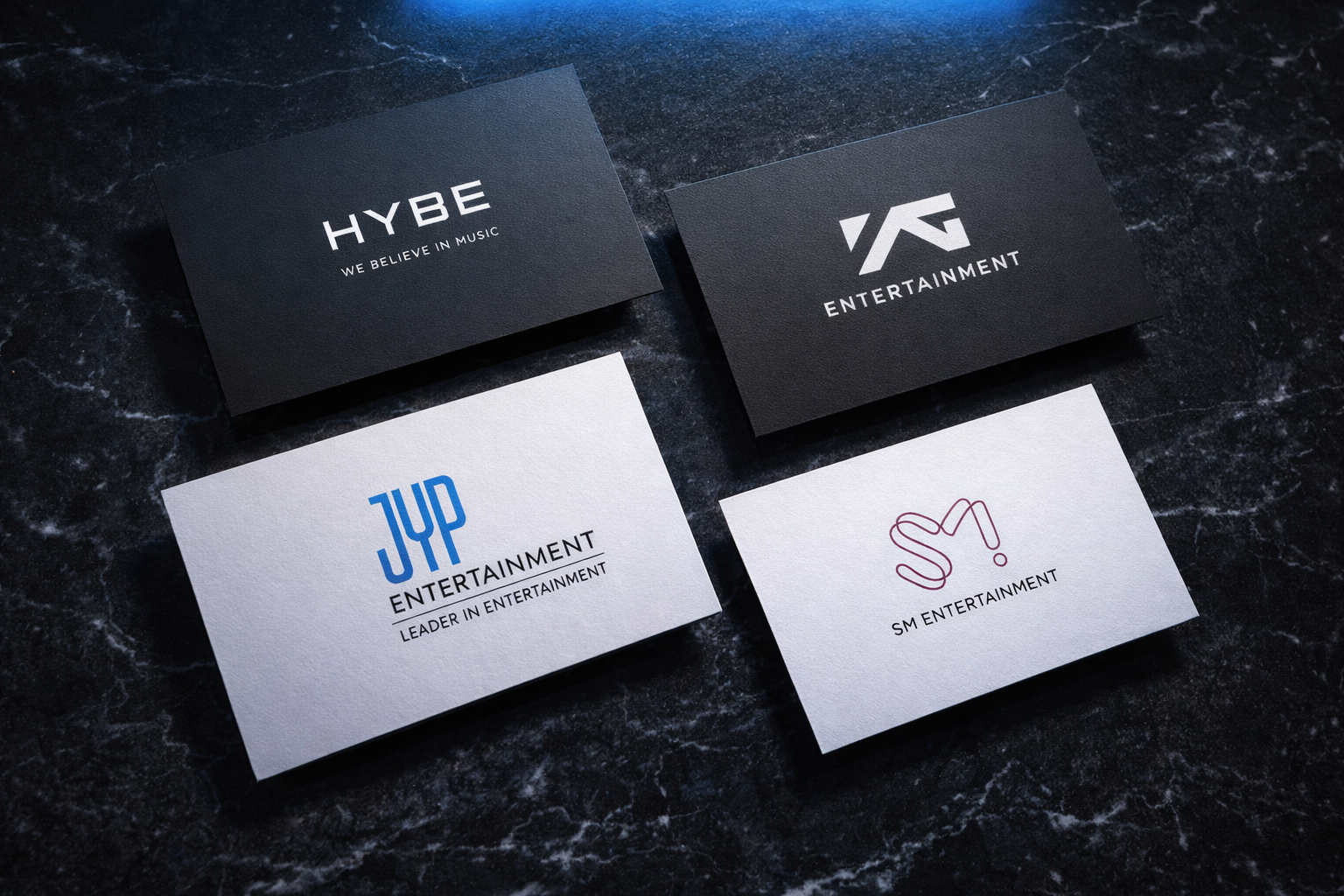
The K-Pop Agency Ecosystem in 2026
Understanding K-Pop brand partnerships requires understanding who controls the talent. The Korean entertainment market is dominated by four major agencies — the Big 4 — plus a growing ecosystem of mid-tier agencies and independent IP owners.
"We don't start with which artist is most popular. We start with which artist drives commercial behaviour in your specific category and market — and the data tells a completely different story." — WENOTIFT Cultural Intelligence Platform
Why K-Pop Brand Partnerships Outperform Traditional Advertising
The commercial case for K-Pop brand partnerships is no longer a hypothesis. WENOTIFT-tracked activations consistently demonstrate results that traditional advertising cannot match — and the reason is structural.
K-Pop fandoms are not passive audiences. They are active commercial ecosystems. When BLACKPINK announced their Visa partnership, Blinks — the BLACKPINK fandom — generated over 500 million organic impressions within 72 hours. When NewJeans partnered with Coca-Cola, the brand's Gen-Z equity scores in Korea and Southeast Asia jumped 23 percentage points in one quarter.
This is fandom commerce — and it operates on fundamentally different commercial logic than traditional advertising.
The ASEAN Opportunity: Why Indonesia Matters
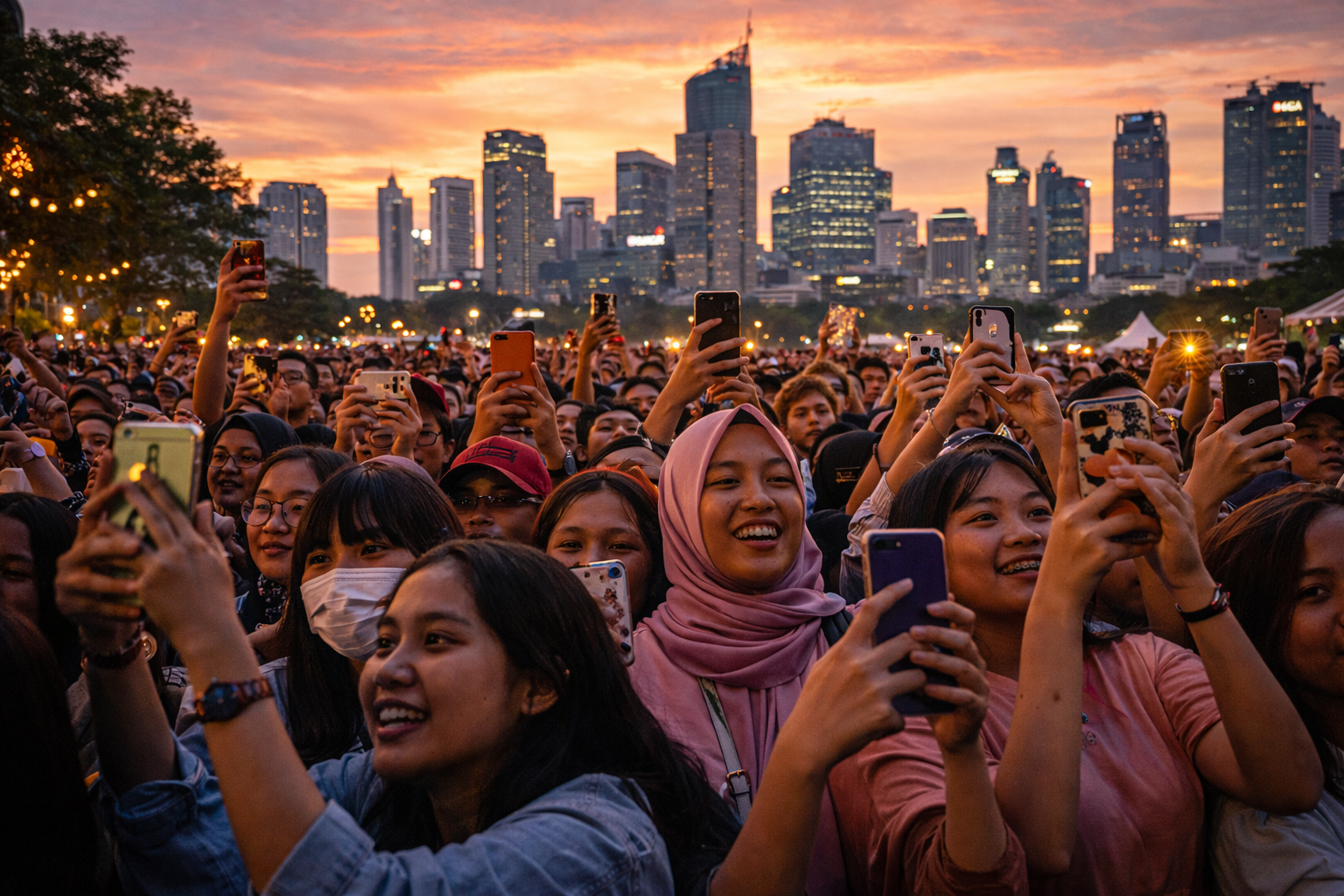
WENOTIFT is headquartered in Jakarta, Indonesia — and this location is deliberate. Indonesia represents one of the world's most powerful K-Pop markets, with over 80 million Indonesians actively engaged with global and Asian pop culture spanning K-Pop, J-Pop, C-Pop and Thai entertainment.
Indonesian fans rank among the highest globally for streaming numbers, merchandise purchases, concert attendance and social media engagement. For global brands, Indonesia is simultaneously one of the largest and most underserved K-Pop activation markets in the world.
Beyond K-Pop: C-Pop, J-Pop and Thai Entertainment
Sophisticated brand strategies in 2026 span the full Asian entertainment landscape — not just Korea.
C-Pop and Chinese celebrity endorsements remain enormously powerful for brands targeting Chinese-speaking consumers. Chinese actors and artists including Xiao Zhan, Wang Yibo, Yang Yang, Dilraba Dilmurat and Zhao Lusi command brand partnership values in the tens of millions, with fandom engagement rivalling K-Pop in Chinese-speaking markets.
J-Pop and Japanese entertainment partnerships offer distinct advantages for brands seeking premium positioning. WENOTIFT recently partnered for Asian Kung-Fu Generation's 30th Anniversary Live in Jakarta — an activation that demonstrated the depth of Japanese entertainment fandom across ASEAN.
Thai entertainment has emerged as one of the fastest-growing fandom economies in Southeast Asia. Artists including Bright Vachirawit, Win Metawin, Gulf Kanawut, Mew Suppasit, Apo Nattawin, Mile Phakphum, Billkin, PP Krit and Jeff Satur command enormous audiences across Thailand, Vietnam, Indonesia and the broader ASEAN region.

WENOTIFT's four-phase process: Align, Design, Activate, Compound — building cultural systems that scale across markets
How WENOTIFT Architects K-Pop Brand Partnerships
WENOTIFT is not a talent agency. We do not introduce brands to artists and collect a commission. We are a culture-commerce intelligence company that designs end-to-end commercial systems — and this distinction matters enormously.
Our process follows four phases:
Align — We start with brand objectives, audience behaviour and market context before selecting any artist. Our Cultural Intelligence Platform analyses brand-artist fit across 500 or more Asian artists, scoring audience overlap, brand safety, fandom commercial behaviour and market timing.
Design — We architect the complete cultural ecosystem — defining partnership structure, rights scope, territory, duration, usage rights and integration points across live events, digital platforms and retail.
Activate — We define activation frameworks and execution roadmaps, working with brand teams, entertainment agencies and local market partners. Our direct relationships with HYBE, JYP, SM, YG, Kakao, JTBC, TVING, KBS, CJ ENM and iQIYI ensure execution quality that intermediaries cannot replicate.
Compound — We design systems for repetition and scale. Brands that win in Asian entertainment do not run one-off activations — they build long-term cultural infrastructure that compounds brand equity over multiple cycles, markets and artist relationships.
What to Expect: Timeline and Results
A brand ambassadorship with a mid-tier K-Pop artist typically requires 3 to 6 months from initial brief to campaign launch. World tour sponsorships and major IP licensing deals require 6 to 12 months of advance planning.
Results from WENOTIFT-structured activations show consistent patterns across categories:
Getting Started with WENOTIFT
The first step for any brand considering K-Pop, C-Pop, J-Pop or Thai entertainment partnerships is a cultural fit assessment — understanding which artists, which markets and which partnership structures align with your specific brand objectives.
WENOTIFT's Cultural Intelligence Platform provides evidence-based artist scoring, EMV forecasting and brand safety analysis before any commercial commitment is made. We work across the full spectrum — from emerging artist collaborations to global campaigns with BLACKPINK or BTS-tier IP.
Related reading: 25 Statistics About K-Pop Brand Partnerships Every Marketer Needs to Know.
Let's turn cultural insight into partnership strategy.
Talk to WENOTIFT about the right artist, market, and commercial structure — and how to build partnerships that compound brand equity across ASEAN, APAC, and GCC.