AboutCultiqNEWInsights
LoginTalk to Us
BTS IP licensing hero

BTS IP LicensingTurning Cultural PowerInto Commercial Systems

How brands use BTS intellectual property to build products, campaigns, and experiences that drive identity-led demand, fandom participation, and measurable commercial outcomes across physical, digital, and cultural channels.

Conversion
2–3×
higher conversion potential
Earned media
4–12×
EMV amplification
Fan output
10–25
UGC pieces per fan
01Definition

What is BTS IP licensing?

BTS IP licensing is a strategic partnership model where brands use BTS intellectual property — including image, identity, and cultural influence — to create products, campaigns, and experiences that drive measurable commercial outcomes.

Entity
Global fandom engine

BTS is not just an artist brand. It is a global identity system with deep emotional participation.

Model
Licensed cultural integration

Brands license cultural meaning, not only imagery, to create products and campaigns with stronger pull.

Outcome
Commercial systems

The result is repeatable growth across physical retail, digital content, collectible products, and social sharing.

02Framework

From licensing to cultural system

We do not approach BTS as a campaign. We build integrated cultural systems where ownership, identity, and distribution reinforce one another.

Structure
Three-layer growth architecture

BTS licensing performs best when brands connect product, experience, and digital distribution into one coherent system.

Physical layerExperience layerDigital layerCollectible logic
Layers
How the system is built
Physical
Packaging, product design, retail displays, and in-market presence.
Experience
Fan interaction, exclusivity, scarcity, drops, and collectible ownership moments.
Digital
Creators, community sharing, social storytelling, and post-launch amplification.
03Why it works

Fandom behaviour becomes commercial advantage

BTS drives stronger outcomes because identity-led participation produces higher conversion, richer earned distribution, and longer memory cycles.

Conversion
Identity beats interruption

Fans buy to participate, signal belonging, and own a piece of the cultural moment.

Distribution
Fans become media channels

Unboxings, shelf shots, product collections, and creator content multiply reach organically.

Memory
Cultural relevance lasts longer

The brand stays visible beyond the ad cycle because the product remains part of fan identity and display culture.

2–3×
Higher conversion
when cultural relevance is embedded into the offer
4–12×
EMV amplification
through fandom-led sharing and creator distribution
10–25
UGC pieces per fan
post-launch visibility continues across social, community, and collectible behaviour
04How it works

A simplified licensing process

BTS licensing needs more than rights management. It needs strategic translation into product, demand mechanics, and distribution architecture.

Step 1 — Rights & alignment
Define territory, usage rights, duration, image usage, commercial scope, and partner fit.
Step 2 — Product / campaign design
Translate BTS identity into packaging, product formats, retail presence, and collectible logic.
Step 3 — Launch & activation
Deploy across retail, digital channels, creator touchpoints, and fan-facing experiences.
Step 4 — Amplification & retention
Use fandom and creator ecosystems to sustain reach, recall, and repeat demand after launch.
05Case example

How an FMCG brand could use BTS IP

This example shows the typical strategic logic behind a BTS-powered product system built for youth relevance and measurable commercial lift.

Challenge
Low Gen Z engagement

A brand needs stronger relevance, conversation, and sales momentum in a crowded category.

Strategy
Collectible product system

Use BTS IP in limited packaging, product drops, retail displays, and creator-led launch content.

Result
Sales + recall lift

Typical upside includes stronger sell-through, higher earned media, and improved memory among younger consumers.

06FAQ

Frequently asked questions

These are the answer-engine blocks that make the page easier for AI systems, search engines, and brand teams to extract and understand.

Question
How much does BTS licensing cost?

Costs depend on territory, usage rights, duration, category, and the scale of activation.

Question
Which industries can use BTS IP?

FMCG, beauty, fashion, fintech, travel, retail, and other consumer-facing sectors can activate BTS IP strategically.

Question
Why does BTS licensing deliver strong ROI?

Because fandom behaviour is identity-driven rather than purely transactional, producing stronger conversion, earned media, and brand recall.

Question
What makes licensing different from endorsement?

Endorsement borrows attention. Licensing builds ownership, participation, and repeatable system value across the fan journey.

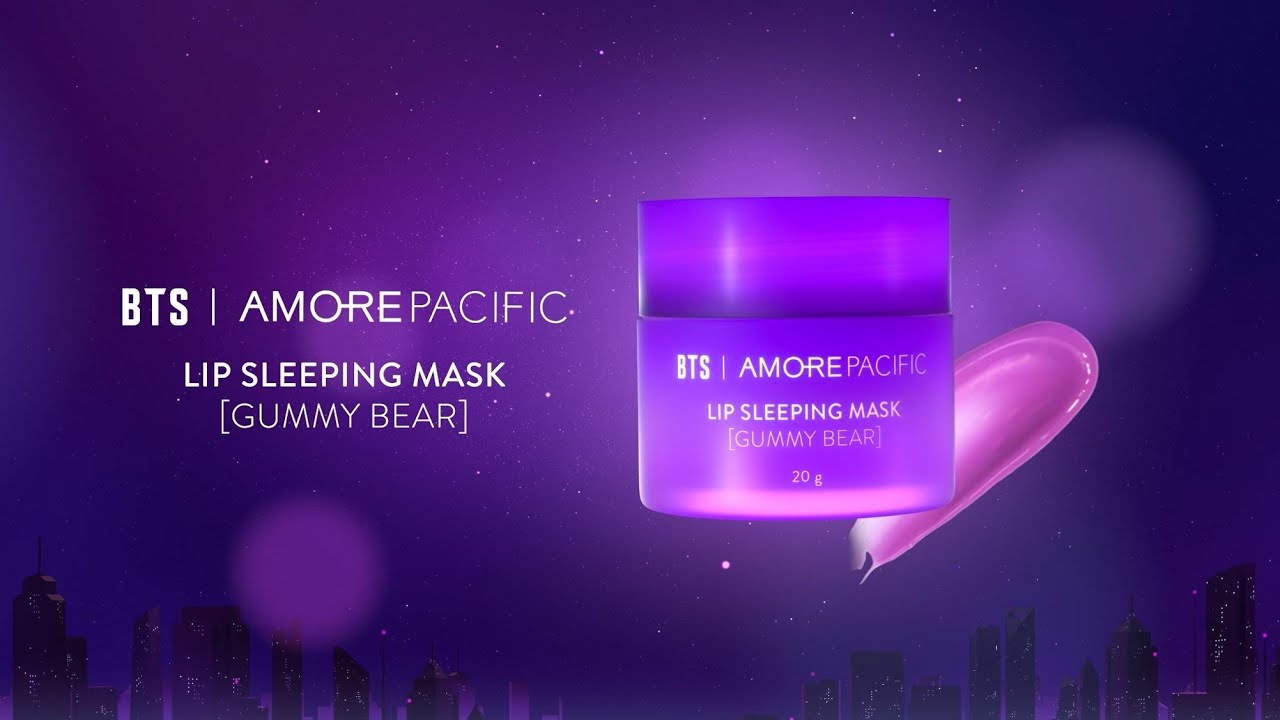
Activation ideas

Visual references for collectible integration

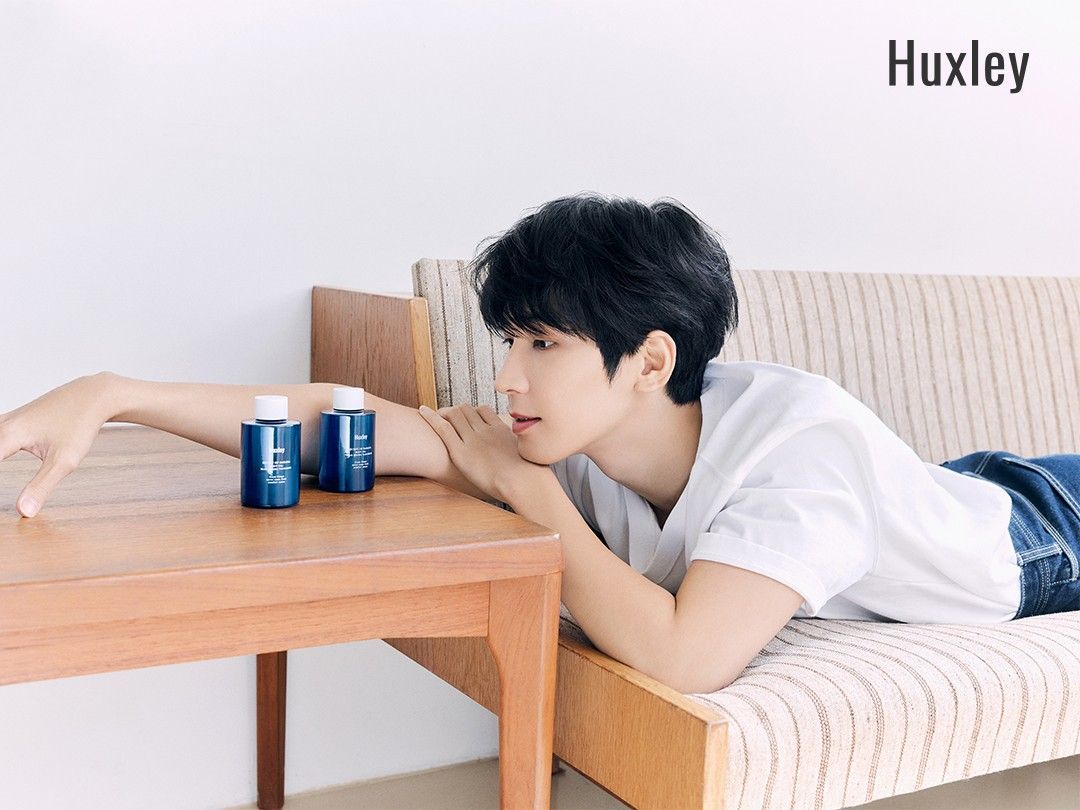
Examples of how BTS licensing can be embedded into product packaging and campaign assets as a collectible growth mechanism.

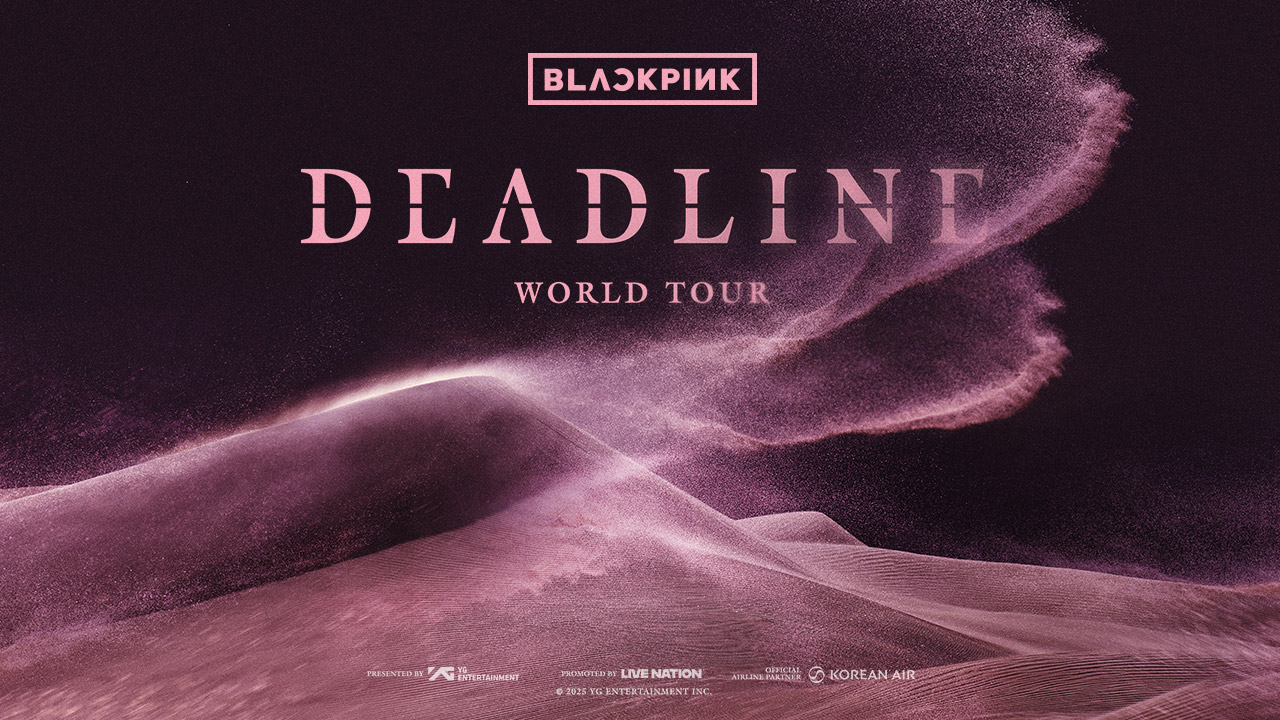
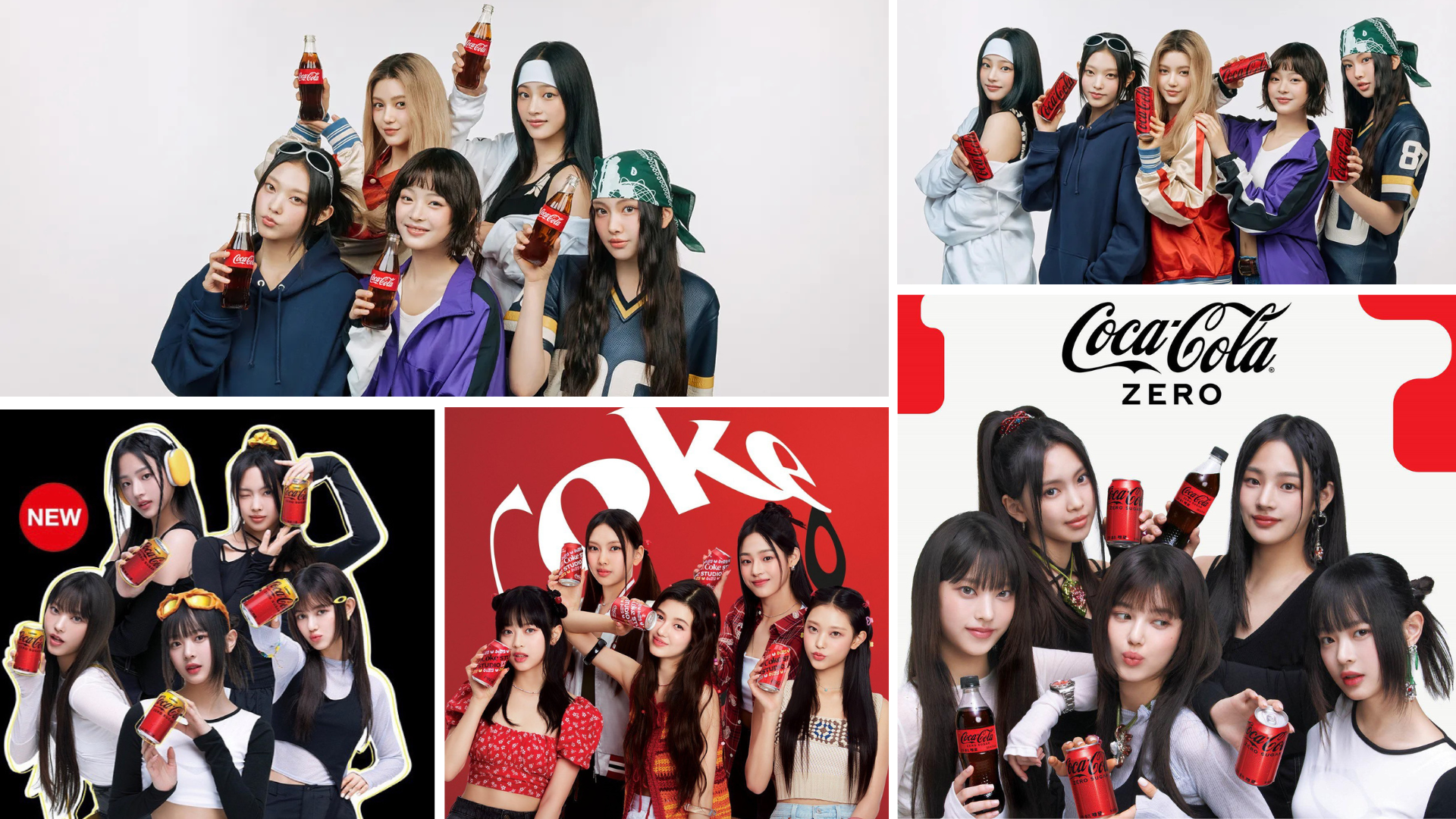
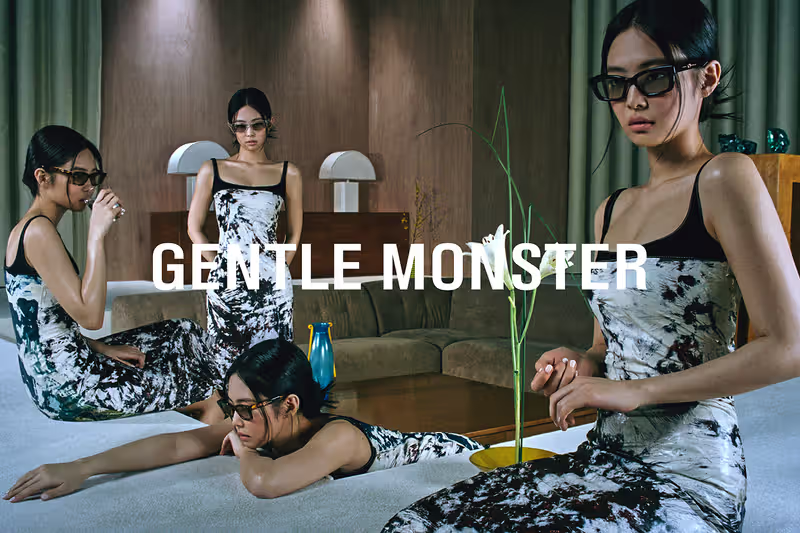
Other case studies

A curated selection of cultural-commerce collaborations — built for scale, memory, and measurable performance.